
Strong muscles are about much more than fitness. They support our metabolism, mobility, independence, and quality of life. But could omega-3 fatty acids play a role in keeping our muscles healthy as we grow older?
Scientific research is exploring how omega-3 fatty acids may influence protein metabolism, muscle recovery, and physical performance. The findings are interesting, although not all the evidence points in the same direction.
Why muscle health matters as we age
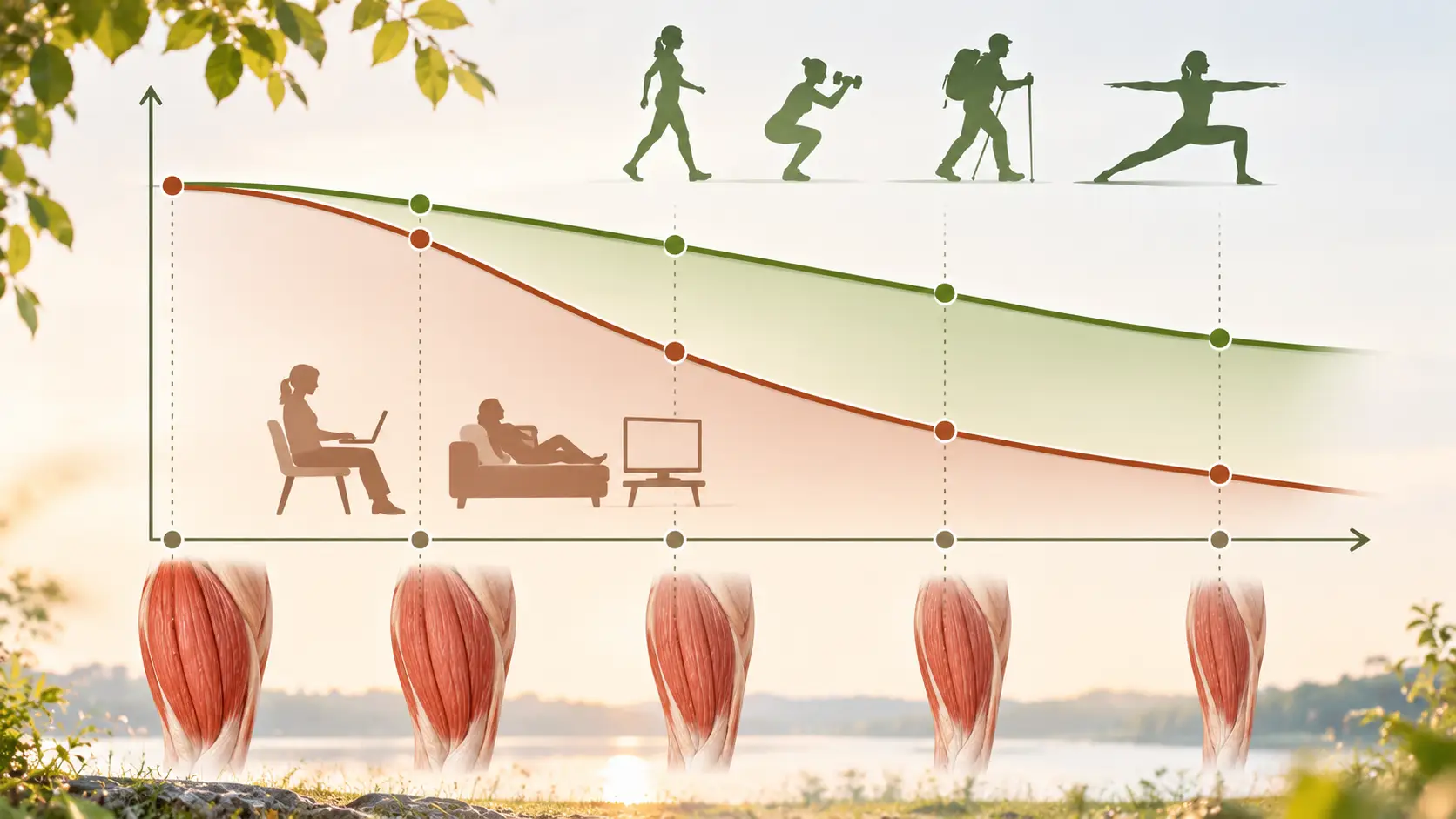
From approximately our thirties onward, we gradually begin to lose muscle mass unless we actively maintain it. As we grow older, this process may accelerate. Significant age-related loss of muscle strength and mass can lead to a condition known as sarcopenia. This can affect balance, mobility, physical function, and our ability to remain independent. Maintaining healthy muscles is therefore not just about looking fit. It is about preserving the freedom to move, explore, and enjoy life.
What does omega-3 have to do with our muscles?
The omega-3 fatty acids EPA and DHA are primarily found in fatty fish and fish oil. They are important components of cell membranes and play a role in regulating inflammatory processes. Researchers are investigating whether omega-3 fatty acids may influence how muscle cells respond to exercise, use nutrients, and recover from physical activity.
What does the research tell us?
A systematic review and meta-analysis published in Nutrition Reviews investigated the effects of omega-3 supplementation on protein synthesis. Protein synthesis is the process through which our bodies create new proteins, including those needed to maintain and repair muscle tissue. The researchers found that omega-3 supplementation significantly increased whole-body protein synthesis. However, they did not find a statistically significant increase in protein synthesis specifically within skeletal muscles. This distinction matters. Increased whole-body protein synthesis does not necessarily mean increased muscle growth. The findings suggest a potential role for omega-3 in protein metabolism, but further research is needed to understand its practical significance.
Omega-3 and muscle recovery
Another scientific review examined omega-3 supplementation in relation to athletic performance, muscle adaptation, and recovery. Several studies reported improvements in recovery following exercise that causes muscle damage. Researchers also identified preliminary evidence suggesting that omega-3 may improve endurance capacity by reducing the oxygen cost of certain types of exercise. However, the evidence was insufficient to conclude that omega-3 supplementation directly increases muscle growth during resistance training.
Why is this especially relevant after 40 and 50?
As we age, our muscles may become less responsive to the signals that stimulate muscle protein synthesis. This phenomenon is sometimes called anabolic resistance. It highlights the importance of regular resistance exercise and adequate dietary protein as we grow older. Omega-3 may offer additional support, but its effects on muscle strength and function are not yet fully established. Some studies have reported improvements in muscle function, while others have found little or no measurable benefit.
My perspective: Health is about the whole picture
I believe lasting health is rarely the result of one nutrient or one perfect habit. It comes from the way our everyday choices work together. When it comes to supporting healthy muscles throughout life, I focus on four essential pillars:
- Nutrition: Adequate protein, healthy fats, and nourishing whole foods.
- Movement: Strength training, walking, and staying physically active.
- Sleep: Giving the body time to recover and repair.
- Stress management: Creating a healthy balance between activity and recovery.
And then there is the additional plus: carefully selected supplements when appropriate. Omega-3 may have a place within this approach, but supplements should complement rather than replace the foundations of a healthy lifestyle.
What can you do today?
Start with simple, sustainable habits. Include protein-rich foods in your meals. Enjoy fatty fish as part of a balanced diet if you eat fish. Challenge your muscles regularly through strength-building activities, and prioritize recovery. If you are considering omega-3 supplementation, look at your overall EPA and DHA intake, dietary habits, and individual health needs. Many studies used relatively high supplemental doses, which should not be interpreted as a general recommendation.
Healthy aging is about living well
We cannot stop the natural aging process. But we can influence many of the factors that shape how we experience it. For me, healthy aging is not simply about adding more years to life. It is about maintaining the strength, energy, and independence to enjoy those years.
Strong muscles support an active life. And an active life gives us more freedom to live from within.
Guided by Nature. Supported by Science. Lived from Within.
Scientific references
Therdyothin A. et al. (2024). The effects of omega-3 polyunsaturated fatty acids on muscle and whole-body protein synthesis: a systematic review and meta-analysis. Nutrition Reviews, 83(2), e131–e143. https://doi.org/10.1093/nutrit/nuae055
Philpott JD, Witard OC, Galloway SDR. (2019). Applications of omega-3 polyunsaturated fatty acid supplementation for sport performance. https://doi.org/10.1080/15438627.2018.1550401
This article is intended for educational purposes and does not replace personalized medical advice.