
Good health is not built on one perfect habit. It grows from the balance between how we nourish, move, rest, and care for ourselves.
When I think about health, I don’t think about a single diet, a particular exercise routine, or a supplement that promises to change everything. I think about the human body as a remarkable, interconnected system. A system that constantly adapts, repairs, communicates, and responds to the way we live.
Through my education in functional medicine and nutrition, and through my own experiences, I have come to appreciate just how closely our everyday choices are connected to our long-term wellbeing. And one thing has become increasingly clear to me:
Health is not something we create through one extraordinary action. It is something we support through the ordinary choices we make, again and again.
This is why I like to describe the foundations of health as four essential pillars, supported by one additional element. The Four Pillars of Health – and the Plus. They are simple to understand, but their influence on our lives can be profound.
Pillar One: Nutrition – Nourishing the Body
Food is so much more than calories. It provides the building blocks our bodies need to function, maintain tissues, support immune function, and produce energy. Every meal offers an opportunity to nourish our cells and support the complex processes taking place within us. But nutrition has also become an area filled with confusion.
Low-carb, keto, Mediterranean, plant-based, intermittent fasting, and countless other approaches compete for our attention. And while different approaches may offer benefits for different people, I don’t believe there is one perfect way of eating that suits everyone. Our needs change with age, activity level, health, and individual circumstances.
For me, a nourishing diet begins with a few fundamental principles:
- Choose whole and minimally processed foods as often as possible.
- Include a variety of vegetables, berries, and other fibre-rich plant foods.
- Prioritise adequate protein to support muscles, strength, and healthy ageing.
- Include healthy fats, particularly sources of omega-3 fatty acids.
- Pay attention to how your body responds to the food you eat.
I am particularly interested in how nutrition influences metabolic health, energy, and the body’s ability to maintain balance. But I also believe that food should bring enjoyment. A healthy relationship with food matters, too.
The goal is not to eat perfectly. It is to nourish your body consistently and consciously.
Pillar Two: Movement – Designed to Move
Our bodies are made for movement. Not necessarily for exhausting workouts or spending hours in a gym, but for moving regularly throughout the day.
Walking, gardening, cycling, swimming, stretching, dancing, and strength training all offer different benefits. Movement supports our muscles, bones, cardiovascular health, metabolic function, and mental wellbeing. As we grow older, maintaining muscle mass and physical strength becomes increasingly important. Strength training can help preserve independence, support balance, and maintain our ability to enjoy an active life. But movement doesn’t have to begin with an ambitious training programme. Sometimes it begins with a walk.
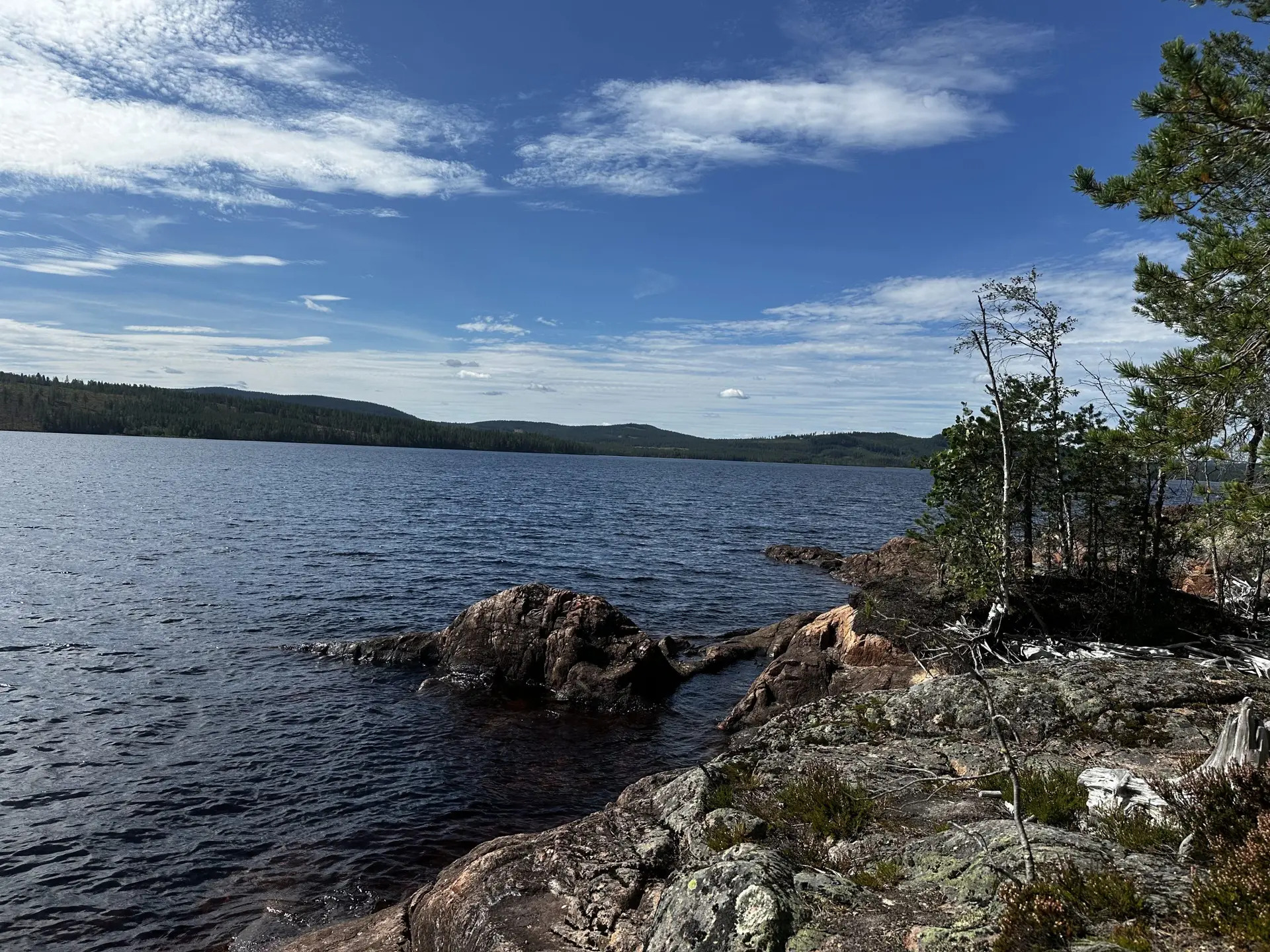
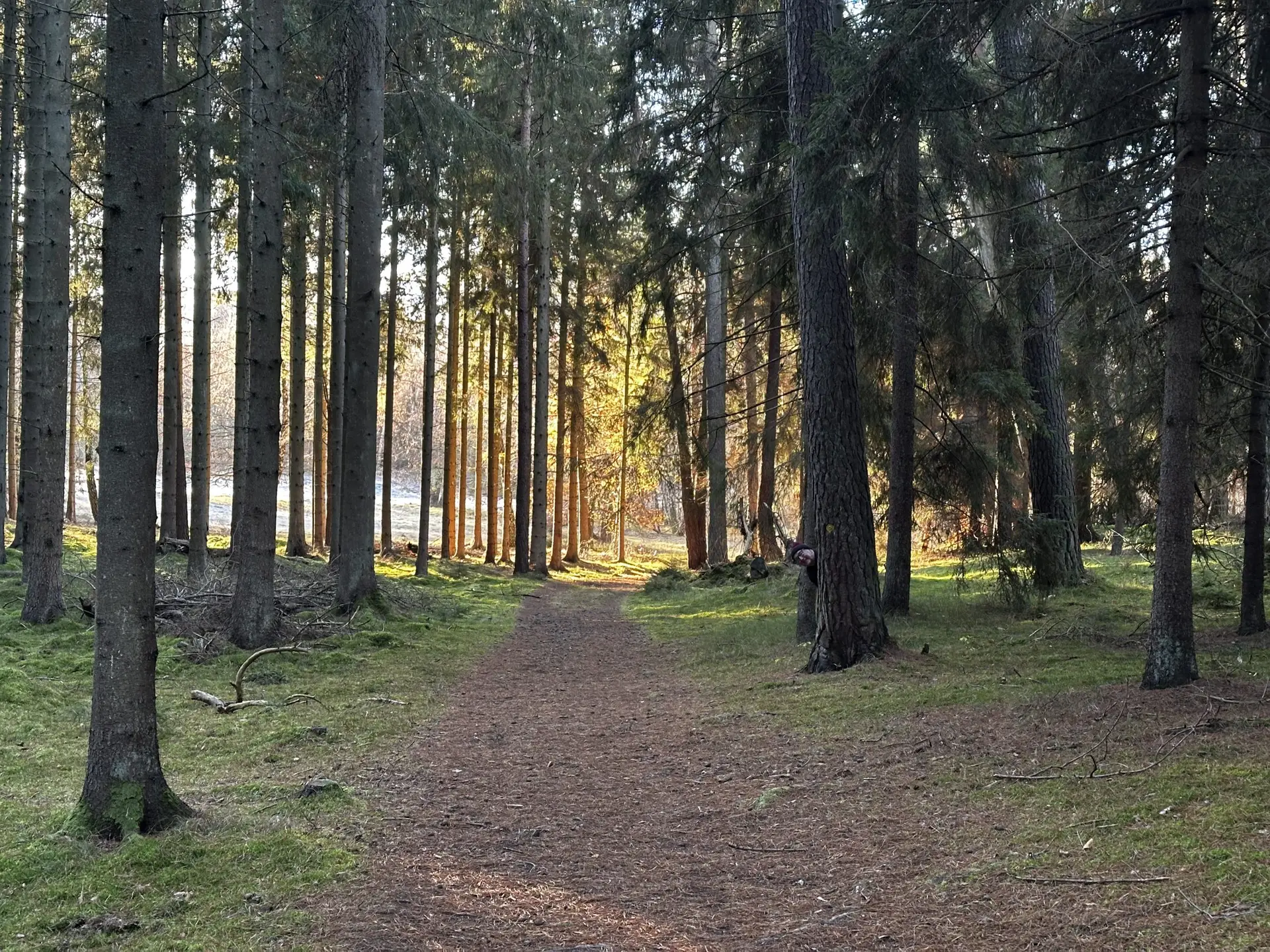
One of the things I appreciate about the Nordic way of life is the tradition of friluftsliv – spending time outdoors and experiencing nature as a natural part of everyday living. A walk through the forest is more than exercise to me. It is also an opportunity to clear my mind, notice my surroundings, and reconnect with myself. I believe the most sustainable form of movement is often the one we genuinely enjoy.
Move because your body deserves to feel strong and capable, not because it needs to be punished.
Pillar Three: Sleep – The Foundation of Recovery
Sleep is one of the most underestimated foundations of health. We often focus on what we eat and how much we exercise, while treating sleep as something we can compromise when life gets busy. Yet sleep is essential for our physical and mental functioning. During sleep, the body carries out important processes involved in memory, immune regulation, metabolic health, and tissue recovery. Insufficient or disrupted sleep can affect appetite regulation, concentration, mood, and our ability to manage everyday challenges. And sleep is not simply about the number of hours we spend in bed. Quality, consistency, and timing also matter.
Our bodies follow an internal biological rhythm, known as the circadian rhythm, which is influenced by light, darkness, activity, and daily routines. This is another area where I see a meaningful connection between modern health science and Nordic Living. Learning to respect our natural rhythms can support healthier sleep habits.
Some of the simplest steps include:
- Maintaining reasonably consistent sleep and wake times.
- Getting natural daylight, especially in the morning.
- Creating a calm and comfortable sleeping environment.
- Reducing stimulating activities and bright light close to bedtime.
- Allowing enough time for rest and recovery.
Sleep is not wasted time. It is an essential investment in our health.
Rest is not the opposite of progress. Rest makes progress possible.
Pillar Four: Stress Management – Creating Space for Balance
Stress is a natural part of being human. Our stress response helps us react to challenges, adapt to changing situations, and respond when action is needed. In short periods, it can be useful. But when stress becomes persistent and recovery is insufficient, it can influence many aspects of our wellbeing.
Sleep, digestion, concentration, emotional balance, and our everyday energy can all be affected. What interests me most is that stress management is not simply about avoiding stressful situations. That would be unrealistic. It is about developing the ability to recognise our responses, create opportunities for recovery, and make choices that support our wellbeing. For me, this is where personal awareness becomes especially important.
Learning to notice when I need to slow down. Understanding that I don’t always have to meet other people’s expectations. Allowing myself to change direction. And remembering that I can choose how I respond, even when I cannot control everything happening around me.
Spending time in nature, practising meditation, breathing consciously, connecting with others, and making room for quiet moments are all ways we may support our ability to manage stress. But there is another aspect I consider equally important. The freedom to live in greater alignment with our own values. Because sometimes, reducing stress is not about learning to tolerate more. Sometimes it is about recognising what no longer belongs in our lives.
A balanced life is not a life without challenges. It is a life where we create room for both challenges and recovery.
The Plus: Targeted Nutritional Support
And then there is the Plus. Nutritional supplements. I deliberately place supplements after the four pillars, because I believe they should support a healthy lifestyle rather than replace it. No supplement can compensate fully for consistently poor sleep, inadequate nutrition, physical inactivity, or unmanaged stress. But this doesn’t mean supplements have no value. Quite the opposite.
There are situations where targeted supplementation can play an important role in supporting nutritional adequacy and specific health needs. Our nutritional requirements and circumstances are not identical. Age, dietary patterns, individual absorption, medications, health conditions, and lifestyle can all influence whether additional nutrients may be beneficial.
Some nutrients I find particularly interesting include:
Omega-3 fatty acids
EPA and DHA are important components of cell membranes and contribute to normal physiological functions, including those involving the brain and cardiovascular system.
For people who eat little oily fish, omega-3 supplementation may be a useful way to increase their intake.
Vitamin D
Vitamin D contributes to normal immune function and the maintenance of healthy bones and muscles.
In Nordic countries, where sunlight is limited during much of the year, vitamin D deserves particular attention.
Vitamin K2
Vitamin K2 is one form of vitamin K that has attracted scientific interest, mainly because its role in healthy bones and blodvessels.
Magnesium and other essential minerals
Minerals are involved in numerous physiological processes, including muscle function, nerve signalling, and energy metabolism.
Whether supplementation is useful depends on individual intake, needs, and circumstances.
Why I Believe in a Personalised Approach
One of the principles I value from functional medicine is looking at the individual rather than relying only on general recommendations. This doesn’t mean that everyone needs extensive testing or a long list of supplements. It means being curious about what the body actually needs.
- Sometimes the answer is improving dietary habits.
- Sometimes it is addressing sleep or stress.
- Sometimes it is identifying a nutritional deficiency.
- And sometimes carefully selected supplements can be part of the solution.
Where appropriate, nutritional assessment, relevant laboratory tests, and professional guidance can help us make more informed decisions. I also believe it is important to distinguish between promising research and well-established evidence.
Natural does not automatically mean safe, and more is not always better. Supplements can interact with medications, and excessive amounts of certain nutrients can cause harm.
The Plus should be purposeful, evidence-informed, and adapted to the individual.
Why the Four Pillars Work Together
One of the most fascinating things about the human body is that these pillars are not independent. They influence each other continuously. Poor sleep may affect our appetite, energy, and motivation to move. Regular physical activity can support sleep quality and our ability to manage stress. A nourishing diet provides the nutrients needed for normal physiological function. And managing stress can make it easier to maintain healthy routines.
This interconnectedness is exactly why I believe a holistic perspective is so valuable. Instead of looking for one isolated solution, we can begin to explore the bigger picture.
We can ask ourselves:
What is my body trying to tell me?
Which part of my everyday life needs more attention?
What is one realistic change I can make today?
We don’t have to change everything at once. In fact, I believe lasting change often begins with something much smaller. A better morning routine. A daily walk. A more nourishing meal. An earlier bedtime. Or simply giving ourselves permission to rest.
Small choices, repeated over time, can become the foundation of meaningful change.
Healthy Ageing Is About More Than Adding Years
As I have grown older, my perspective on health has evolved. I am increasingly interested not only in how long we live, but in how well we live. Having the energy to enjoy everyday life. Maintaining physical strength and independence. Staying mentally curious. Being able to spend time in nature, travel, explore, learn, and share experiences with the people we care about.
To me, healthy ageing is not about fighting the natural process of growing older. It is about supporting our ability to live fully through the different stages of life. We cannot control every aspect of our health. Genetics, environment, circumstances, and many other factors play a role. But there are meaningful choices within our influence. And those choices deserve our attention. Not from fear of becoming ill. But from a desire to live well.
My Nordic Perspective on Health
When I bring the Four Pillars of Health together with my philosophy of Nordic Living, I see a common thread. Respect for nature. Respect for the body. Respect for our individual needs. And an understanding that balance is not something static.
Just as the seasons change, our needs change throughout life. There will be periods when movement comes naturally and periods when rest requires more attention. Times when we feel strong and energetic, and times when we need additional support. The purpose of these pillars is not to create another set of expectations we must live up to.
It is to provide a framework that helps us make more conscious choices. Choices based on knowledge, curiosity, and self-respect.
Because good health should not become another source of pressure. It should help us create greater freedom to live the life we want.
Start Where You Are
If there is one thing I hope you take away from this article, it is this:
- You don’t have to transform your entire lifestyle to begin supporting your health.
- Start with awareness.
- Look at the four pillars. Nutrition. Movement. Sleep. Stress management.
- Consider whether targeted nutritional support has a meaningful place in your individual situation.
- And ask yourself:
Which one of these areas could I support a little better today?
- Choose one small step.
- Make it realistic.
- Make it yours.
- And allow it to grow with you.
Because health is not a destination we reach through perfection. It is an ongoing relationship with ourselves. One that deserves attention, kindness, knowledge, and respect.
Live from Within. Grow with Life.
— Maj Westphal
Founder of Health by Nordic Values
Functional Medicine Practitioner & Nutrition Consultant